
People rarely call a locksmith because they have time to spare. Even the non-urgent calls tend to begin with something that has been put off: a key that needs a wiggle, a loose front-door lock, an old fob held together by tape. It worked well enough last week. Today, apparently, it has other plans.
That sort of call is familiar to Dave's Locksmith Services. We have worked around Philadelphia for more than 20 years and are based in the Northeast. People explain lock problems in their own language. The key turns forever. The silver piece by the handle moves. The car says the key is missing while it sits in the cup holder. All useful. A model number is nice, but the trick that made the lock behave may tell us more. Did you pull the door? Lift the handle? Back the key out? Mention it.
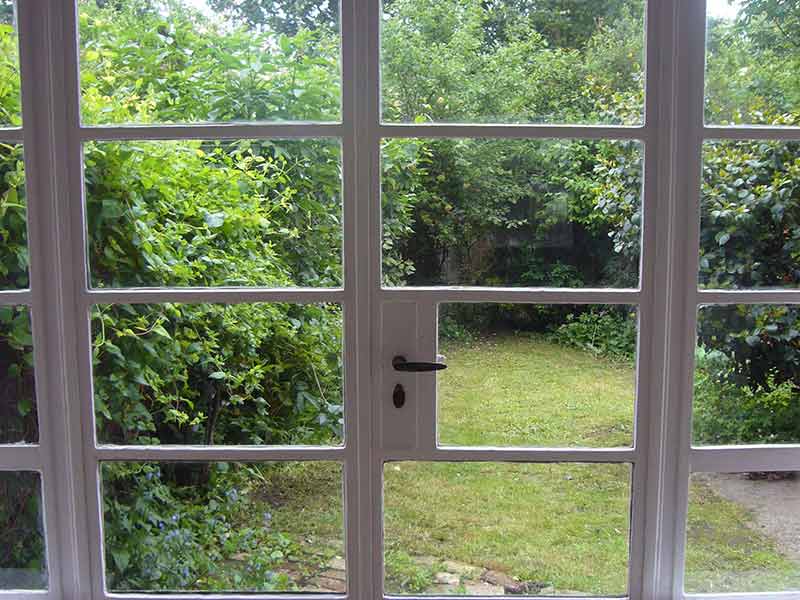
We hear some version of this around Mayfair, Tacony, Holmesburg, and plenty of other Philadelphia neighborhoods. A door gets harder to lock after wet weather. Somebody leans into it, turns the key, and carries on. The cylinder takes the blame because that is where the hand is, though the door may have shifted in its frame. There is an easy first check when the door is open: extend the deadbolt. If it moves cleanly now but catches when the door closes, the alignment needs attention. Hinges loosen. Wood changes. A strike plate that was moved during an old repair may be just far enough off to cause trouble again. Our residential locksmith work includes new deadbolts and replacement locks, but putting new hardware onto a door that still sits badly does not make much sense.
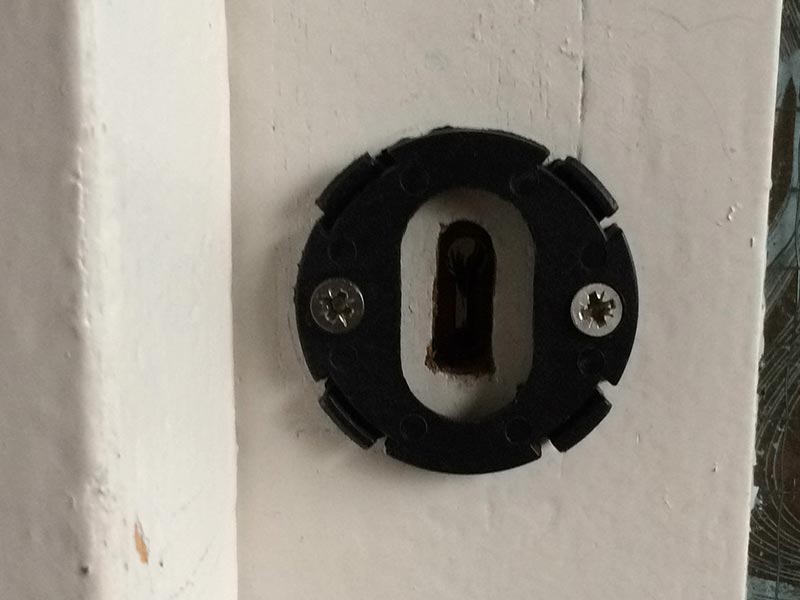
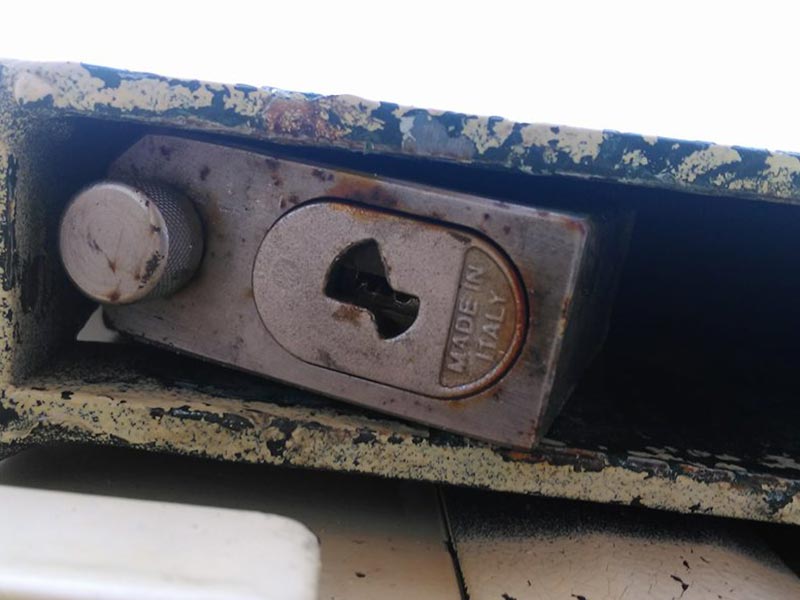
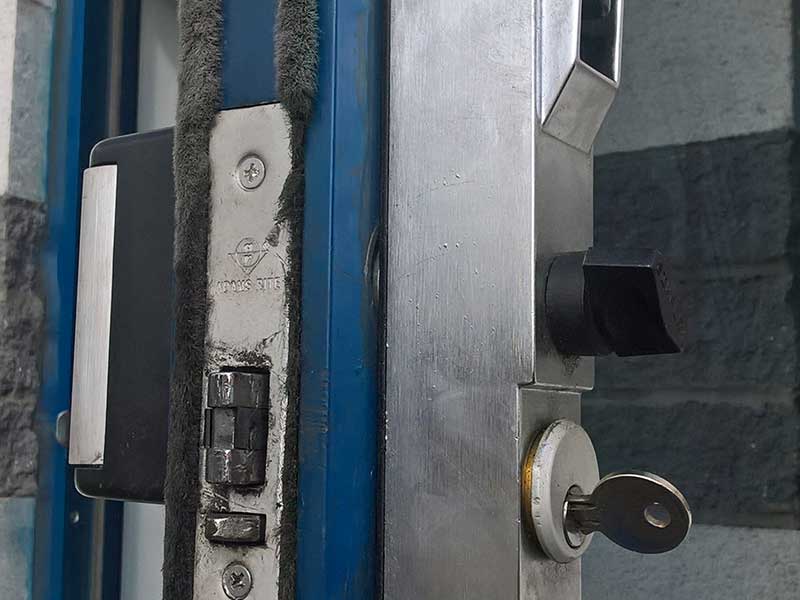
Older mortise locks make the inspection more interesting. Some are original. Others have a newer cylinder inside old hardware. Paint may cover the screws and half the evidence of an earlier repair. There is no prize for tearing it out quickly. A worn key might be the problem. The latch may need adjustment. Internal parts may be finished. We try the lock open and pay attention to what changes when it closes.
People adapt to faulty doors incredibly well. They lift, pull, kick the bottom corner, or tell every visitor, "You have to turn it left first". We are not making fun of that. We have all kept some household nuisance going longer than planned. But once a key starts bending or a latch no longer catches every time, the workaround has reached the end of its useful life.
After a move, the question changes from "Why is this sticking?" to "Who might still have a key?" New ownership does not always require new hardware. Where the existing locks are sound and compatible, we can rekey locks, change the working keys, and leave the lock bodies in place. Former keys no longer open those cylinders. A new set does. That can be helpful when nobody is quite sure how many copies were handed to relatives, cleaners, contractors, old roommates, or the neighbor who fed the cat three summers ago. Matching several doors to one key may also be possible, though we need to see which cylinders are fitted before saying yes.
We test every supplied key afterward. Not only the first one. Each changed lock gets tried while the door is open and again when it is closed. A bolt that works in the open air but jams against the frame is not a finished job, and discovering that at bedtime would be irritating.







Here are three things people say that sound contradictory but are not:
A modern key may contain a blade, remote controls, and a transponder or proximity chip. They share one case without doing the same job. Buttons can unlock a door while the chip fails to authorize the engine. A dead button pad may sit beside a perfectly good starting chip. A car locksmith asks what "not working" means before discussing car key replacement. Getting the door open may be the whole call. When every key is gone, however, there is cutting and programming to sort out, and the car may need to forget the missing key as well.
Fobs deserve a little restraint because a dead button does not automatically mean a dead fob. Key fob battery replacement is the small job we hope it is. Poor range, buttons that need two or three presses, or a fob that only responds near the door are decent clues. Try a spare when one is available. If the spare behaves normally, we have learned something. If neither fob behaves, a new battery in one case may not settle the question. Full key fob replacement is more likely when the case, contacts, board, or chip has been damaged. A fob that went through the laundry has a different story from one whose battery faded slowly over two years.
Passive disabling device generally means the vehicle has a factory immobilizer that arms on its own. The driver does not flip a switch. The car waits for a recognized chip or smart key before it allows the engine to run. The important part for a stranded driver is simpler: replacing the small battery inside a remote does not program the transponder. Both live inside or near the same fob, which makes them easy to confuse, but they are not the same repair.
Mechanical trouble has not disappeared either. A badly worn key may open a door and refuse to turn the ignition, particularly if years of copies were made from other copies. Steering pressure can hold the ignition in place. The cylinder itself may be wearing out. Gentle pressure on the wheel while trying the key is reasonable. Pliers are where reasonable ends. A broken key inside an ignition changes the afternoon quickly, and broken key extraction is much nicer when nobody has pushed the remaining piece farther in.
A parking-lot call can easily begin with five minutes of, "Can you see the pharmacy from there?" Better to skip that part. In Bustleton, a house number will normally get us to the car. Around Cottman Avenue, tell us which store you are facing or drop a pin. Roosevelt Boulevard needs a cross street. It is much too long for "I'm on the Boulevard". Downtown garages are trickier. The vehicle may be below street level, the entrance may be around the next block, and an attendant might need to open a gate. Our tools come to the car, so we need the route to the car, not only the building address.


One person discovers the entrance locks if it is pulled hard toward the frame. By Friday, every employee knows. Nobody knows why. The workaround joins the closing routine. That can happen when the closer, hinges, latch, frame, or lock no longer sits correctly. At that point, a commercial locksmith needs to look beyond the keyhole. The closer and latch may deserve as much attention as the cylinder. A new lock will not straighten a dragging door, and a straight door will not mend broken lock parts. Two problems can share one entrance.
Key control creates quieter trouble. An employee leaves. A contractor still has access to storage. The morning opener carries fifteen keys and remembers eleven. For some buildings, changing selected cylinders is enough. Others need a better key plan. We ask who needs access to what. The answer belongs to the business, not to a package chosen before seeing the doors.
An emergency locksmith call often begins with a person who is cold, late, or standing somewhere uncomfortable. We still need the ordinary details. Where are you? Home, apartment, vehicle, or business? Is the key missing, locked inside, or broken? Does the door have visible damage? The phrase "locked out" describes the result. It does not explain what the lock is doing. A 24 hour locksmith who asks a few questions is preparing for the job, not trying to keep somebody on the phone.
There are cases where a locksmith is not the first call. If a child or vulnerable person is in immediate danger, there is smoke or fire, or somebody is forcing entry, call emergency services. Waiting in a dark parking lot? Walk toward light and people, send the new meeting point, and keep the phone with you. The car will still be there.
Often, yes. First we need to know what we are pricing. A home lockout and a missing smart key do not share much beyond somebody wanting access. "It's a broken key" sounds specific until we ask where it broke. A tip caught near the front of a house cylinder is one job. A key snapped deep inside an ignition is another. Storefront calls can be just as vague. A loose cylinder, bent latch, and failed panic bar may all be described as "the door won't lock". Send a photo if you can. It does not need to be pretty. We only need to see the hardware and a little of the door around it. For a vehicle, include the year, make, model, and any key that survived. That gives us something real to price. If we uncover damage that could not be seen beforehand, we show you before the job changes.
Old locks can surprise people. The price should not.
Drilling has a place. A badly damaged lock may leave no better route. It should not be treated as the opening move for every door, and it generally means replacing hardware afterward. Nobody should decide that from the street or from a generic description of a locked door. The same sort of judgment applies when a copied key does not work. One poor copy is not proof that the entire lock has failed. Try another key. Notice whether the door is open or closed. Tell us if the original started sticking weeks ago.
A locksmith near me needs two kinds of directions in Philadelphia: the address, and the bit about the loading dock, locked gate, front desk, or alley entrance. A Northeast rowhome does not create the same parking problem as a Center City office. South Philadelphia may leave nowhere to set a toolbox. State Road contributes traffic. This is ordinary job planning for us, not material for a list of neighborhood names.
More than 20 years of locksmith work has not given us an answer for every situation before we see it. It has taught us to listen for the detail that does not fit and avoid an expensive decision too early. Dave's Locksmith Services works with customers who know the hardware model and customers who call everything near the handle "the lock part". Either is fine.
Just remember to mention the wiggle. It is probably relevant.