"He returned the key. I just don't know if he copied it".
That is usually enough to begin the conversation. The door still works. The lock may be in good condition. What changed is the list of people who might be able to open it. Rekeying gives that same lock a different working key, which makes the old one useless.
Dave's Locksmith Services has been sorting out Philadelphia key problems for more than 20 years. Some involve a new tenant, a former employee, or a handbag that disappeared with an address card inside. Others begin after somebody buys a house and discovers a kitchen drawer containing seven mystery keys. We look at the hardware first, listen to what happened, and work out whether rekeying is the sensible answer.
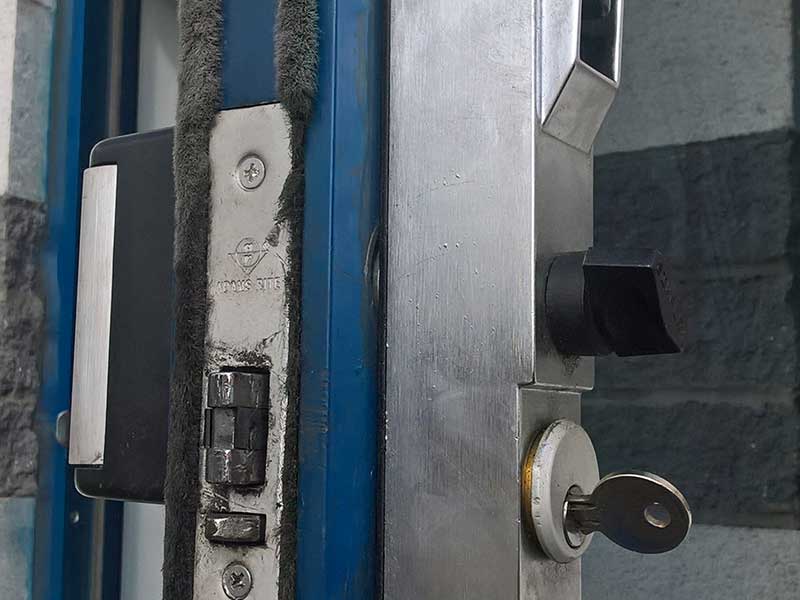
Rekeying a lock changes the working parts inside its cylinder. The lock remains on the door, but its old key no longer lines up correctly inside. A new key does. It is a focused change, not a shortcut and not the same thing as replacing the whole lock. That difference matters when the hardware is solid. A well-fitted deadbolt does not need to be thrown away merely because a key went missing. On the other hand, rekeying cannot repair a loose handle, a cracked housing, a bent latch, or a door that has been rubbing the frame since winter.
Start with the condition of the lock. If it operates smoothly and offers the level of security you want, a rekey may solve the key-control problem without changing the appearance of the door. Replacement makes more sense when the hardware is damaged, badly worn, unreliable, or simply wrong for the opening.
There is no prize for choosing the larger job. If a cylinder can be rekeyed and the rest of the hardware is doing its job, we will say so. If a new cylinder or complete lock is the better move, the worn or damaged part should be easy to point out and explain.
A lock rekey service often makes sense after:
Now for the exception people appreciate hearing: keys locked safely inside the house do not automatically create a rekeying job. If no key is lost and nobody else gained access to it, opening the door may be all that is needed.
A South Philadelphia rowhome might have a deadbolt and knob at the front, another lock at the back, and a basement entrance that everybody forgot to count. In Northeast Philadelphia, a side door or attached garage can add another route inside. One "front-door rekey" can become a five-cylinder plan before anyone has reached the kitchen.
Counting cylinders is more useful than counting doors. A door with a keyed knob and a separate deadbolt contains two. Double-sided deadbolts need to be discussed carefully because local safety requirements and the way people exit the property matter. Photos help, but a walk-through usually catches the lock hidden behind a curtain or the rear door everyone calls "the porch one".
Center City condominiums and multi-unit buildings bring another question: who controls the exterior door? A resident may be allowed to rekey the lock on the unit while the building manager controls the lobby, shared entrance, or restricted key system. Rental agreements and property rules can draw similar lines.
Before changing anything in a shared building, check with the owner, management office, or association when appropriate. That quick call can prevent a perfectly good new key from creating a perfectly awkward conversation downstairs.
Sometimes. The locks need compatible keyways and cylinders, and the keying plan still needs to make sense. If the front deadbolt is one brand, the back knob uses another system, and the garage hardware came from a third decade, forcing everything onto one key may require selective replacement.
For a home, keyed-alike locks can reduce the number of keys on the ring. For a business or managed property, a master key system can separate access by role. The owner may open every approved area while an employee key opens only the front entrance and stockroom. That plan should be written before cylinders start coming apart. Improvising it door by door is how key rings become puzzles again.
Most people return the copy they were given. That still does not show whether another copy exists. If the relationship ended badly, the key was out of sight for a while, or the property address was attached to it, rekeying can remove the question instead of leaving everyone to wonder. Businesses run into the same issue with opening staff, cleaners, former managers, and contractors. The useful question is not only who left. Ask which key they carried and every door it could open. One office key may affect a single cylinder. A master key may reach the rear entrance, supply room, and several interior offices.
We also check authorization before rekeying. An owner, tenant, property manager, or approved company representative should be able to show their connection to the property. A lock is a boundary. Changing who can cross it deserves more than a confident story on the sidewalk.
The number of cylinders is only the beginning. Cost can also depend on the lock type, its condition, compatible keyways, how many new keys are needed, whether locks will be keyed alike, and whether the work is scheduled or urgent. An old cylinder that will not come apart cleanly is a different job from three matching locks installed last year.
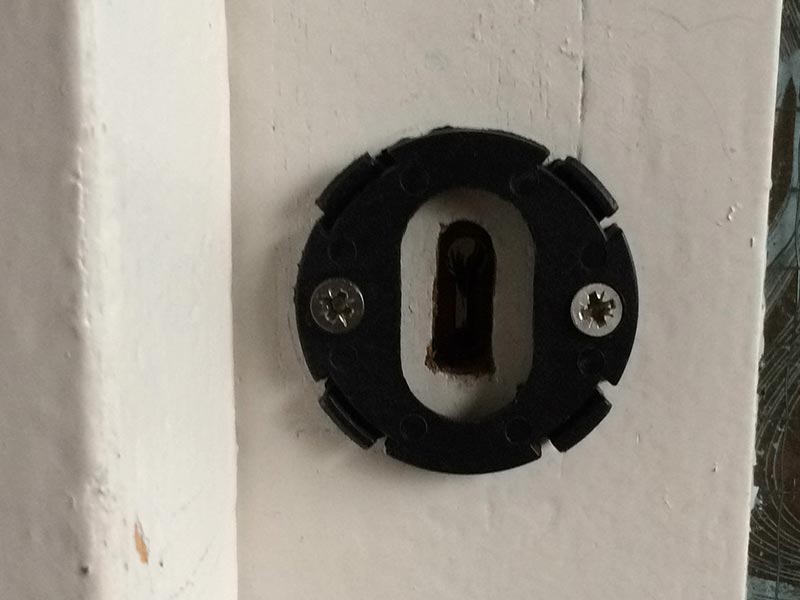
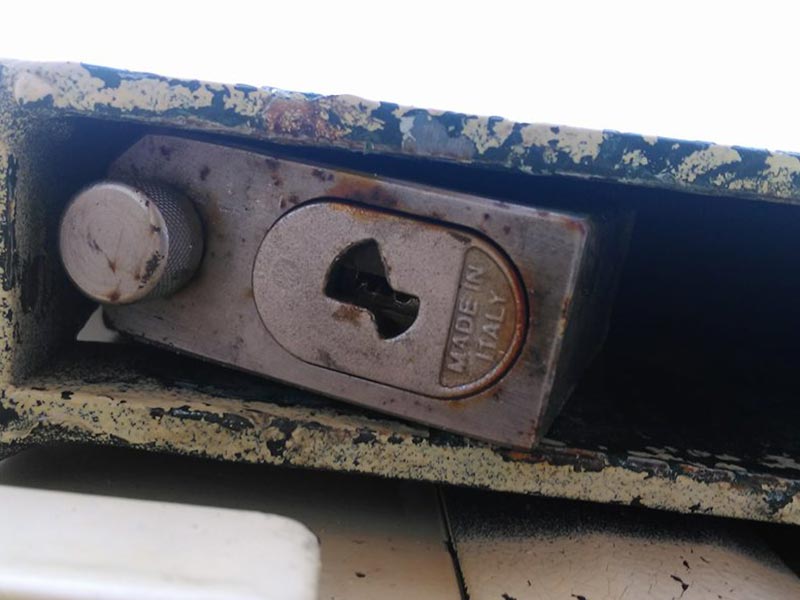
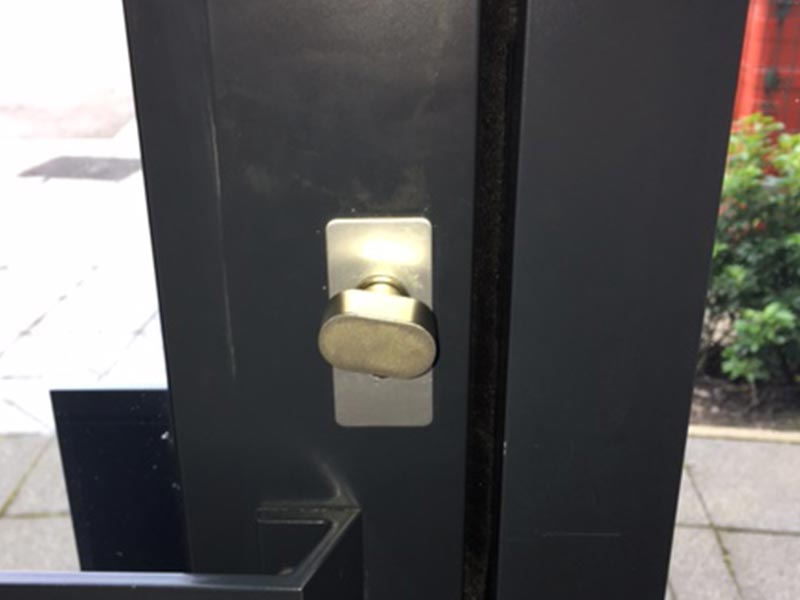
When you call, tell us what changed and what you want the new keys to open. Send photos of both sides of the hardware if you can. For a larger home or business, label the doors in plain language - front, alley, basement, office, stockroom - so the estimate follows the actual property rather than a rough door count.
If you are comparing answers after searching for a locksmith near me, ask whether the estimate covers labor, each cylinder, and the requested number of keys. If inspection reveals a damaged lock that cannot sensibly be rekeyed, that change should be explained before replacement begins.
Not sure how many old keys are still out there? You do not need to solve that mystery first. Tell Dave's Locksmith Services which doors matter, who should have access now, and whether the current locks are behaving normally. We can take it from there - with fewer keys in the story when the job is done.